
5 Cabinet Decisions You Can’t “Figure Out Later” Without Paying For It
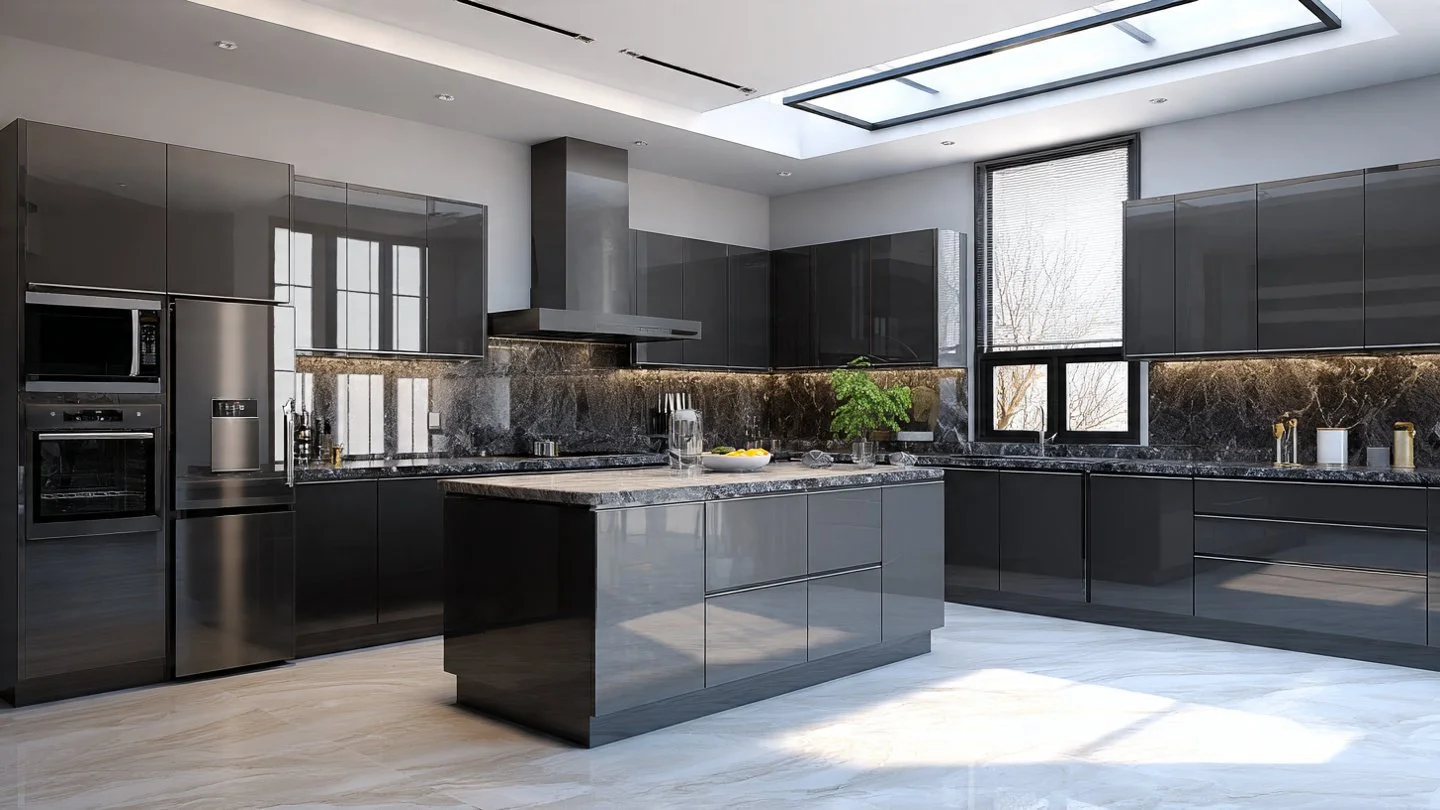
European Modern Cabinets In Kitchen
When we walk job sites in Sarasota and Lakewood Ranch, we see the same thing over and over. Framing is up, trades are moving fast, and the cabinet plan is still “flexible.”
It might look fine on paper. On site, it turns into guesses, change orders, and extra days on the schedule.
If you are planning a new build or major remodel and want to avoid cabinet-driven surprises, a few decisions need to be made before framing and rough-in. Cabinets are not just a finish. They set conditions for framing, plumbing, electrical, drywall, and countertops, so we treat them as part of construction, not decoration.
Since 2015, our team at Magnolia Cabinet Co. has been designing and installing custom cabinetry across Sarasota and Lakewood Ranch. The jobs that go smoothly all have one thing in common: the cabinet plan was finished early.
“A good cabinet plan keeps everyone out of trouble – framers, electricians, plumbers, and us,” Melvin, our general manager, says. “When those decisions are firm early, the whole job runs steadier.”
Who gets the most value from early cabinet decisions
This article is for two groups:
Homeowners planning a new build or a full remodel
Builders and designers who are tired of cabinets blowing up the schedule
When walls move, windows shift, or the kitchen changes location, cabinets become part of the structure. They frame appliances, control rough-in locations, and shape what you see from the rest of the house.
For builders and designers, late cabinet decisions push the job into “fix it in the field” mode. That is when you get odd soffits, surprise fillers, and long punch lists.
If your project has new framing, new mechanicals, or panel-ready appliances, early cabinet coordination is not a luxury. It is basic risk control.
Lock your cabinet layout and appliance specs before rough-in
The first thing we lock down is not a door style. It is the layout and the real appliance list.
We want:
Cabinet run dimensions
Appliance locations
Model numbers or full spec sheets
Door swings and clearances
Plumbing rough-ins for sinks, pot fillers, and fridge water lines all depend on those details. So do electrical rough-ins for ranges, ovens, and dishwashers. (Rough-in is the plumbing and electrical work that happens inside walls and floors before insulation and drywall.)
Vent hoods and duct paths depend on range and hood specs. Panel-ready appliances only look right when the surrounding cabinets are drawn to exact dimensions.
“If we don’t have real appliance cut sheets, every rough-in becomes an educated guess,” Melvin says. “Those guesses show up later as furring, patching, or weird fillers that no one planned to pay for.”
Change the layout or appliances after rough-in and things slip. A fridge water line ends up behind a drawer box. A duct forces a soffit that was never in the rendering. Tall pantry doors hit appliance doors or the island.
When we draw layouts, we also check clearances and work aisles against established planning guidelines. The idea is simple: the kitchen should work in real life, not just in a 3D view.
Locked-in layout and specs give plumbers, electricians, and framers a fixed target instead of a moving one.
Watch for early warning signs that your cabinet plan will cause problems
There are a few red flags we spot quickly. If you see them on your job, the cabinet plan is not ready.
Cabinet runs marked “TBD” on plans that are already in the field are a problem. Framing is going up with no guarantee that future cabinets will fit.
Another warning sign is rough-in scheduled while appliances are still “36-inch range” or “panel-ready fridge” with no model chosen.
We also see notes like “shift as needed in field” around key cabinet walls or islands. That sounds flexible. In reality, it means “we’ll guess now and hope the cabinets forgive us.”
“Any time we see ‘approximate’ or ‘verify in field’ on a cabinet wall after framing, we know there’s a good chance someone will be opening that wall again,” Chris, one of our installers, says.
If those notes show up, it is time to bring the cabinet team back into the conversation before the job drifts further.

Magnolia team member discussing install with client
Decide cabinet heights and your “to the ceiling or not” plan before drywall
Once layout and appliances are set, height is next.
We are talking about:
Base cabinet height
Upper cabinet height
Whether uppers stop short or go to the ceiling
How the top is finished: crown, stacked uppers, a flat panel, or a soffit
Those decisions affect ceiling framing, drywall layout, and where the drywall actually stops. If we know uppers will hit the ceiling with crown, we can ask the builder to check that ceiling plane, adjust framing where needed, and stop drywall in the right place.
If the plan is vague, the site defaults to “standard” heights. Then the cabinet drawings show up and you discover a strip of dead space above the uppers or crown that fights a wavy ceiling.
“Cabinets can hide small imperfections, but they cannot fix bad planning,” Chris tells clients during walkthroughs. “If we know the cabinet and crown heights before drywall, we can make everything look deliberate instead of patched together.”
Change your mind about height or “to the ceiling” after drywall and you pile on trim, filler, or visible compromises where the wall meets the ceiling.
Fix island size, seating, and support before floors and electrical
After height, the island is the next big piece that can help or hurt the job.
We need to know:
Footprint
Overhang depth
Seating count
Panel, leg, or waterfall details
Those choices affect:
Traffic paths
Overhang support
Floor outlets and power
Clearances around the island have to respect appliance door swings and basic comfort. Larger overhangs may need steel or extra support coordinated with the countertop fabricator. Floor outlets and electrical runs have to be laid out with real measurements, not guesses.
If this stays loose, familiar problems show up. A floor outlet lands under a barstool. The island grows by a few inches on paper after flooring, and now the paths feel tight. An overhang gets cut back late and your seating plan no longer works.
“We can’t place floor power ‘approximately’ and hope it lands inside the cabinet or between the stools,” one of our electricians told a client during a pre-wire walk. “We need the cabinet and island dimensions first.”
Set the island early and it becomes an anchor. Leave it fuzzy and every trade ends up working around it.
Local Sarasota conditions that change cabinet planning before construction
In Sarasota and Lakewood Ranch, some local patterns shape how we plan cabinets.
Many kitchens open straight to lanais and pools. Islands become drop zones for towels, snacks, and trays, not just a few stools. Walkways have to work on busy pool days, not just quiet evenings.
Humidity is another reality. Materials, finishes, and joinery need to hold up when sliders are open and the air is heavy. At Magnolia, we lean on solid hardwoods, strong hardware, and traditional joints because we see what happens to weaker construction after a few summers.
“On paper, a lot of cabinets look the same,” Melvin says. “Five or ten years into Sarasota weather is when you find out what was actually built for this climate.”
Condos add more constraints. Elevator size, delivery windows, and protection rules for common areas all shape cabinet sizing and how we phase delivery and installation. That planning has to happen earlier if you want logistics to go as smoothly as the layout.
Plan cabinet lighting and power before the walls close
Modern kitchens lean hard on lighting in and around cabinets. Undercabinet light, interior light for glass doors or tall pantries, even toe-kick light – all of it needs drivers, power, and access.
Before insulation and drywall, we want a clear plan for:
What type of undercabinet light you are using
Which cabinets get interior light
Where drivers and transformers live
Where switches go and how zones are controlled
If that plan comes in late, drivers end up crammed into random cabinets. Access panels show up in places no one wants. Cords and fixtures are visible in what should be a clean run of custom cabinetry.
We often issue low-voltage notes with the cabinet drawings so the electrician and builder are working from the same intent. When that coordination is missing, undercabinet lights land too close to face frames and highlight every tiny shadow, or they sit too far back and leave the counters dark.
“If the cabinet lighting plan shows up after rough-in, we’re either opening walls again or you’re living with compromises,” one Sarasota electrician told us on a project where drawings arrived late.
A simple lighting and power plan, agreed on before the walls close, keeps the cabinetry clean and easy to service instead of cluttered with fixes.
Choose door style, reveals, and hardware early so everything lines up
Door style and hardware look like finish choices. On site, they act more like technical ones.
Overlay vs inset, slab vs shaker, and your reveal strategy all affect how tight the tolerances need to be. That is especially true around tall cabinets and appliance panels.
We also want to know the hardware type and placement. Long pulls, small knobs, edge pulls, and integrated handles each need their own space. Hardware position can nudge door and drawer sizes just enough to matter near walls and appliances.
A clean, flush fridge surround with tight reveals looks great, but it leaves very little room for crooked framing or wavy drywall. The more precise the look, the more everyone needs that information at the start.
“Last-minute hardware and reveal changes push drilling into the field,” Jenna from our design team says. “That’s where misalignment and patching start to creep in, because you’re making changes without the right jigs or shop setup.”
When style, reveals, and hardware are chosen early, we can size doors correctly, coordinate trim, and give framers and carpenters a clear target. When they move late, you risk clashes with walls and appliance handles, plus reveals that never look quite right.
What a smooth cabinet phase looks like on site
On our best jobs, the cabinet phase is almost boring. That is what you want.
By the time cabinets arrive, framing matches our drawings. Blocking is in the right places. Rough-in hits the marks we set. Boxes for undercabinet lighting are waiting where they should be. Floor outlets sit inside island bases, not under stools. Drywall stops at the heights we planned for cabinets and crown.
“The easiest installs are the ones where we just follow the script,” Chris says. “We unload the cabinets, set them, level them, and nothing feels like a surprise. That only happens when the project respected cabinets as part of the structure from day one.”
From the homeowner’s side, that calm shows up as fewer calls, fewer site visits, and a kitchen that matches the drawings instead of a list of “we had to change this in the field.”
How Magnolia coordinates cabinet decisions before framing
We try to pull the cabinet conversation forward so it happens before framing, not after.
A typical pre-construction meeting includes the builder, the designer if there is one, and our design team. We review the plans, talk about how the kitchen needs to work, and confirm appliance choices or at least sizes and types. Then we issue cabinet drawings with dimensions for runs, islands, and key clearances.
Next, we add a blocking plan for tall and heavy units and notes on ceilings and drywall where crown or stacked uppers will land. We also include a cabinet-specific electrical and low-voltage plan that shows where lighting connects and where drivers belong.
“That early packet is what steadies the job,” Jenna says. “Everyone is drawing from the same information instead of each trade making their own version of the plan.”
By the time framing starts, cabinets are no longer a question mark. They are part of the structure other trades can trust.
Cabinetry should be the easy part once construction starts
On the smoothest projects we see, the pattern is the same. The layout and appliance specs are final before rough-in. Heights and ceiling details are set before drywall. Island size, seating, and power are decided with real dimensions. Door style, reveals, and hardware are not last-minute choices.
When those five decisions are made early, cabinets stop being a wildcard. Drawings are clear. Rough-ins hit their marks. Installers are not improvising on site. The kitchen that shows up is the one everyone has been looking at for months.
At Magnolia Cabinet Co., our role is to be a construction-literate partner, not just a cabinet supplier. We work with Sarasota builders, designers, and homeowners to lock these decisions before construction so cabinetry supports the schedule instead of fighting it.
If you are planning a new build or major remodel and want the cabinet phase to be the easy part, we can start with a pre-construction cabinet coordination meeting or a cabinet, blocking, and low-voltage planning package before framing. That is where the job gets simpler and the finished kitchen starts to feel inevitable in a good way.
About Melvin Stoltzfus
Melvin grew up in his father’s woodworking shop, learning cabinetry at the bench before most people were allowed near a table saw. By 18, he had his own design business, then moved into engineering services for large cabinet manufacturers, making sure drawings worked in real factories and on real job sites.
Today, as General Manager at Magnolia Cabinet Co., Melvin focuses on the pre-construction side of cabinetry. He spends his time locking in layouts, appliance specs, and rough-in details so framers, electricians, and plumbers all build to a clear plan. He especially enjoys working on luxury, modern homes in Sarasota and Lakewood Ranch where tight reveals and panel-ready appliances only work when cabinet decisions are treated as part of the structure from day one.
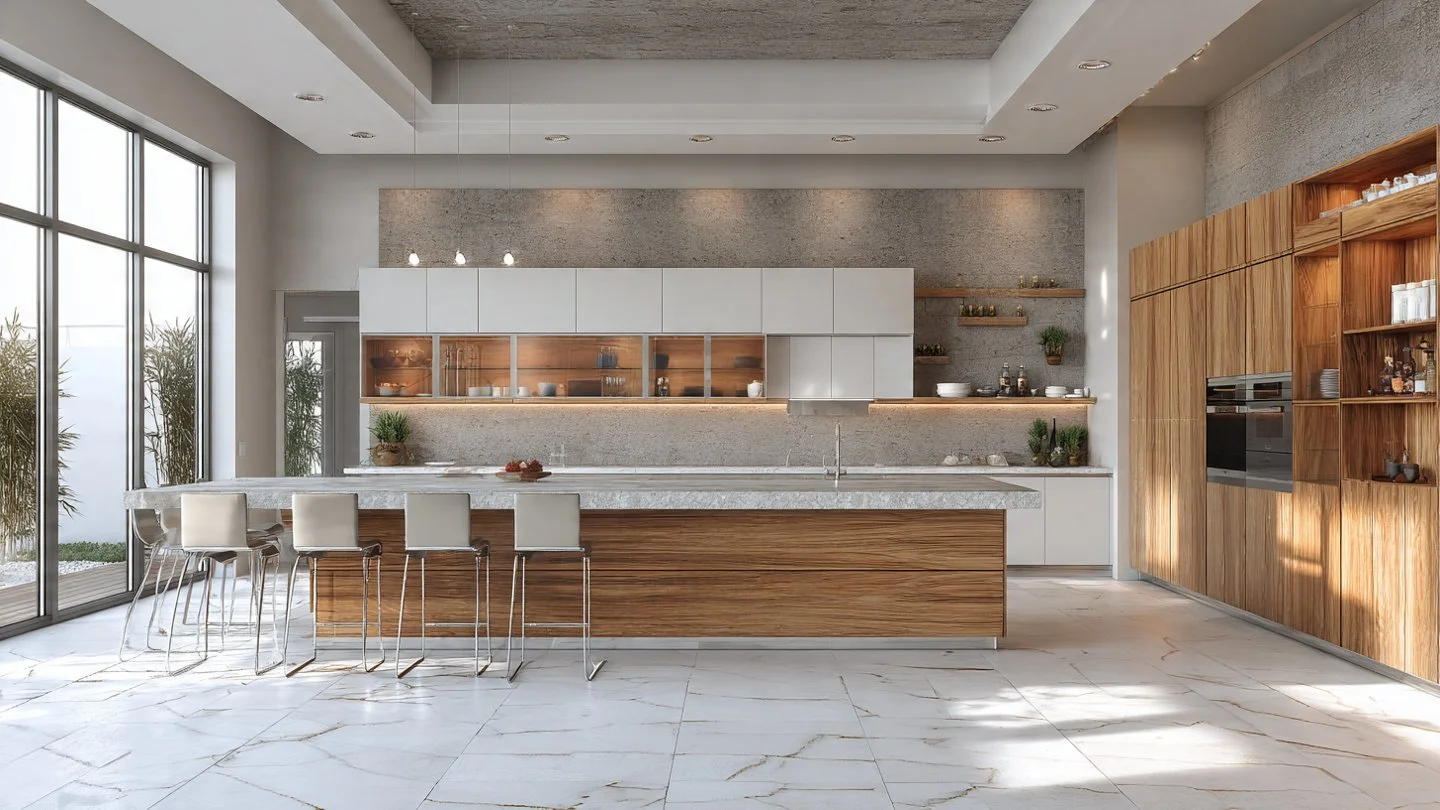
Properly installed European kitchen cabinets
Questions we hear about cabinets before construction starts
How early should cabinets be designed in a new build
We like to start once the floor plan is stable and before framing details are locked. That gives us room to adjust wall lengths, window placement, and ceiling changes so they match the cabinet plan.
What is the minimum information you need to draw cabinets
We need room dimensions, window and door locations, ceiling heights, and a basic appliance list. Even if a few models change later, real sizes and fuel types keep the layout from falling apart when specs are final.
Who should provide appliance specs
It can be the homeowner, builder, or designer, as long as someone owns it. The key is that final spec sheets go to everyone at the same time: cabinetmaker, builder, plumber, and electrician.
Can I change cabinet details after construction starts
Some small changes are fine. Swapping a knob for a different finish with the same drilling pattern usually works. Changing appliance sizes, sink locations, or switching from overlay to inset after rough-in is where cost and delay show up. Once rough-in is scheduled, we treat layout and appliance specs as fixed.
What about condos and HOA rules
For condo and HOA projects, we add logistics to the plan. Elevator size, protection rules, delivery windows, and noise limits all affect cabinet sizing, how we pack loads, and when we install. The earlier we know those rules, the easier it is to keep the job moving.
References
National Kitchen & Bath Association (NKBA). Kitchen Planning Guidelines with Access Standards. Core planning standards for kitchen layout, door clearances, work aisles, and rough-in coordination, based on analysis of the International Residential Code and International Plumbing Code.
NKBA. Kitchen and Bath Planning Guidelines. Overview of recommended dimensions and clearances for cabinets, islands, and work zones that support functional, code-aware kitchen design.
Zonda / Remodeling magazine. 2024 Cost vs. Value Report. Annual national study comparing the cost of common remodel projects with their expected resale value, including kitchen remodels where cabinetry, layout, and pre-construction planning drive overall return.
National Association of Home Builders (NAHB). What Home Buyers Really Want and related kitchen preference research, showing consistent demand for well-planned kitchens, islands, and storage as top priorities for buyers.
City of Sarasota – Development Services. Building and Permitting and Residential Homeowner Remodel Checklist. Local guidance on permitting, plan review, and inspections for residential construction and kitchen remodels, including when plans must coordinate framing, electrical, plumbing, and cabinet layouts.
Double-click to edit...